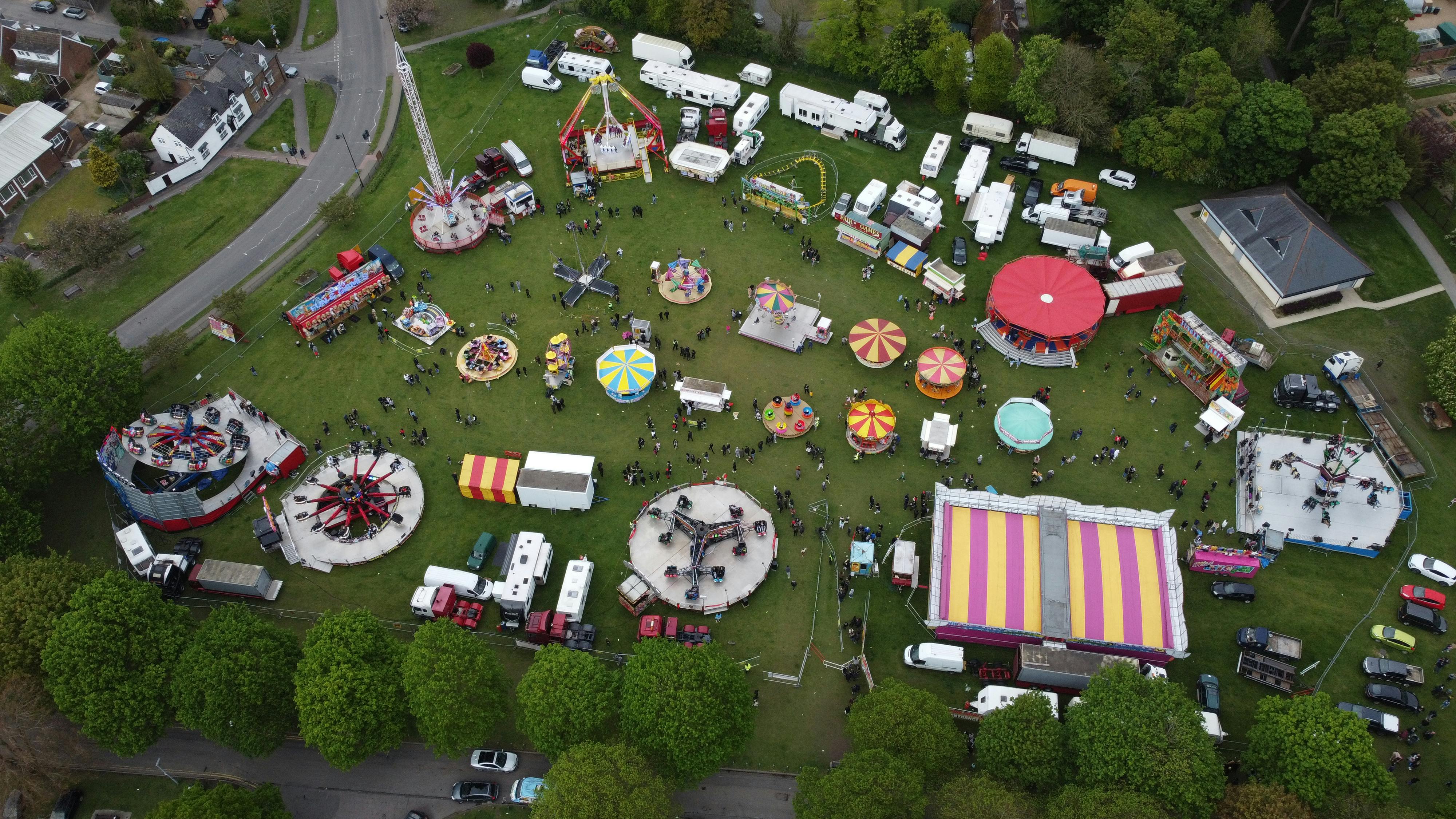
By the time the first exhibitor pulls up to your gate, the show has already been alive for days. Stands have been pegged out, generators are humming, the catering village is up, signage is in, the secretary's office has been running since Tuesday, and the radios have been tested more times than anyone cares to count. The gate is not the start of the show. It is the moment the public-facing operation begins, and it is where every assumption made during build gets tested in front of paying customers.
That is what makes gate day different. The work is not setup, it is activation. Most things are already in place. The question is whether the final operational layer, the bit where people, devices, lists and processes meet a queue of arriving vehicles, holds up when the pressure arrives.
The checklist below is the one we walk through with shows running Peg and Pitch. It assumes the show is built, the team is trained and the basics are sorted. The focus is on the things that still go wrong even when everything else is right.
The final 24 hours
The day before opening is rarely calm, but it is the last chance to lock down the gate plan while the team is still in one place.
- Final exhibitor list signed off. Whatever cut off you set for entries, hold it. Anything coming in after that point goes onto a clearly marked late list. The gate team needs to know the live list is fixed, otherwise every query becomes a phone call to the secretary.
- Pass allocation reconciled. Walk through the list of pass types one last time and confirm the physical stock matches what is in the system. Trade stand passes, exhibitor wristbands, vehicle passes, contractor and supplier credentials, sponsor passes, staff and steward identification. Counts should match before the night ends.
- Gate plan confirmed in writing. Which gate handles which arrivals, what the running order looks like, when the changeover happens from exhibitor to public flow, and who has the final call on a borderline case. Pin it up at every gate.
- Comms tested end to end. Radios paired and labelled, channels confirmed, secretary's office reachable from every gate. Most teams already do this, but it is worth one final check with the people who will actually be on shift, not the people who set it up on Monday.
- System check from every device. Each tablet or phone logged in, exhibitor list loaded, a test transaction run through and confirmed on the admin side. If your gate management system is hosted, this is also the moment to check that the venue's connectivity is holding up under load.
- Backup paperwork sorted properly. Printed lists, broken down by gate, by section and by arrival window. One long alphabetical list of every exhibitor is almost useless in a real queue. Three well sorted short lists are far more practical.
- Briefing for the morning shift. Not a full training session, just the specifics: today's running order, today's known awkward cases, today's pass colours, today's decision maker on each gate.
Show morning, before the gates open
Most of your team has been on site for days, so the morning is not about setting up, it is about transitioning the show from build mode to live mode. The gate is usually the first thing the public sees, so it sets the tone for the whole day.
- Power and connectivity confirmed live. Generators that have been running for the build phase need a final check before the gate goes live, particularly any UPS or battery backup on the gate kit itself. Connectivity tested from the actual gate position, with whatever load the morning will put on it.
- Devices distributed and accounted for. Every device assigned to a named person on a named gate. A tablet wandering off with a steward who has been redeployed is a classic morning problem.
- Pass stock at each gate. Physically counted out and in the right hands before anyone arrives. Wristbands, vehicle passes, day staff credentials, judges and stewards, anything that gets handed out at the gate should be at the gate, not in the secretary's office.
- Test transaction on each gate. One live check in per gate, confirmed in the admin view, before any real exhibitor pulls up. Catches the device that did not sync overnight, the gate that thinks it is still in test mode, or the steward who logged in as someone else.
- Radio check, one more time. Every gate confirms it can reach the secretary and the other gates. Two minutes now saves twenty minutes of confusion later.
- Queue layout walked through. Cones, ropes, signage and any vehicle holding areas confirmed in position. If you are funnelling lorries past a build crew that is still finishing off, mark the route clearly.
- The first call sign of the day. A short radio check across all gates and the secretary, confirming everyone is live, ready, and able to hear each other. It is the operational equivalent of turning the sign to open.
The first wave
The first hour of arrivals is when the real test happens. Everything has been prepared for this moment, and it is also the hour where small problems compound fastest.
- Work the queue, not just the front. A second team member with a printed list walking the queue, ticking off straightforward arrivals and flagging the awkward ones, will halve your queue time. The person on the device only handles cases that are ready to process.
- Log everything unusual. Late arrivals, vehicle swaps, last minute upgrades, anyone arriving without paperwork. Notes against the transaction mean the organiser has a full audit trail at the end of the day, and the next person on shift is not starting from scratch.
- Do not argue at the gate. If a query cannot be resolved in thirty seconds, move the exhibitor aside, take their details, and let them through with a note. The queue behind them is the priority. The secretary can resolve it later, calmly, with all the facts.
- Escalate through the system, not by shouting. Most modern gate management systems, Peg and Pitch included, let gate staff send a message straight to the organiser. Use it. A noisy showground is not the place for a radio debate about whether a particular trade stand declared three vehicles or four.
- Watch the first signs of strain. A team that has been running for ninety minutes without a break, a queue that is not clearing, a device that is slowing down. None of these get better on their own. Spotting them in the first hour is much cheaper than fixing them in the third.
Through the day
Once the morning surge is done, gates typically settle into a quieter rhythm. Use it.
- Reconcile periodically. Compare what the system shows against expected arrivals. Anything that has not appeared by mid morning is worth a quick check, either with the exhibitor or internally.
- Top up the kit. Wristbands, paperwork, water for the team, devices back on charge. A small reset around mid morning makes the afternoon far smoother.
- Rotate roles. The person who has been on the device since five in the morning is not the person you want handling a difficult arrival at three in the afternoon. Swap people through before they get tired, not after.
- Public flow and exhibitor flow are different problems. When the gate transitions from exhibitor arrivals to public entry, the queue dynamics change completely. Plan the handover so the team knows when and how the operational mode shifts.
End of show
Once the last arrival is in and the gate is quiet, fifteen more minutes of work is worth more than it feels like at the time.
- Reconcile the transaction log. A quick scan will pick up anything that looks wrong while the team is still on site to explain it. Tomorrow morning, those memories will be gone.
- Export the reports before you leave site. Even if you do not look at them until the following week, having the data saved means a flat battery in the car park does not cost you the day's record.
- Capture the lessons. Five minutes with the gate team asking what worked and what did not is worth more than any post show survey. Write it down before you drive home. Next year's gate day starts with this year's notes.
- Thank the team. Gate stewards are usually among the first staff on site and among the last to leave. A word at the end of the day is the difference between a team that comes back next year and one that quietly does not.
Where the system earns its place
Most experienced organisers have run gate day on paper and pencil at some point and got away with it. The reason gate management systems exist is not because the paper version is impossible, it is because the paper version stops scaling exactly when the show grows past the point where a single secretary can hold it all in their head.
Peg and Pitch is built for that point and beyond. Live exhibitor lists shared across every gate, notes against every transaction, direct messaging from gate to secretary, and reports ready before the last vehicle has left site. The infrastructure that the rest of the show takes days to build, the gate operation gets to inherit in an afternoon.
If your current gate process is starting to feel like more paperwork than people, we would be happy to help.